Equipment categories
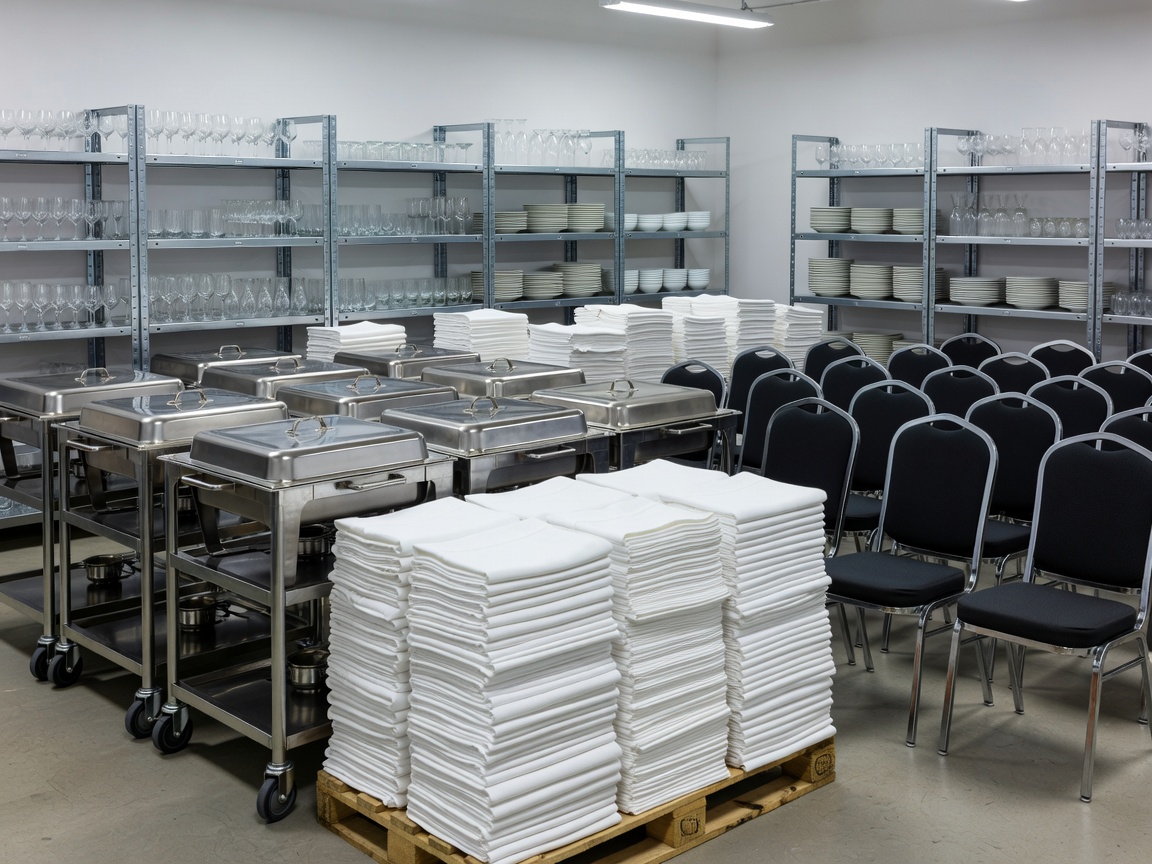
Hotel equipment can include room safes, minibars, televisions, lamps, hairdryers, luggage supports, housekeeping equipment, kitchen-related equipment, front-of-house fixtures, shelving and selected appliances. Each category has different condition, documentation and handling requirements.
Collection planning starts with a room or area list. Record location, model information where available, dimensions, visible condition, accessories and access constraints. This makes it easier to separate operational items from fixtures, damaged units and materials with no practical reuse route.
Access and safe removal
Loading bays, service lifts, stairs, restricted access periods and protected finishes should be reviewed before collection. Removal sequencing should follow the renovation programme and should not obstruct live hotel operations. Items requiring specialist disconnection or removal should be handled by appropriately qualified personnel where required.
Do not attempt to disconnect electrical, gas, refrigeration or other hazardous equipment without suitable competence and authorization. Isolation, handling and transport requirements may depend on the equipment and site conditions. Relevant site controls take priority.
Condition and documentation
Document working status only where it can be established safely. Record missing cables, damage, corrosion, leaks, labels and signs of wear. Photographs should show the item and its identifying context. Accessories should remain with the parent item whenever possible.
Storage may require weather protection, secure access, upright positioning or separation from fragile goods. Appliances and fixtures should be protected from impact and moisture. Documentation should travel with the item or batch so that a receiving party can make an informed decision.
Reuse or material recovery
Reuse is more plausible when equipment is complete, safe, serviceable, documented and wanted by a receiving destination. Material recovery may be more appropriate when repair is uneconomic, compliance information is missing or remaining service life is uncertain. Actual classification depends on condition, safety, economics, demand and applicable requirements.