What can be considered?
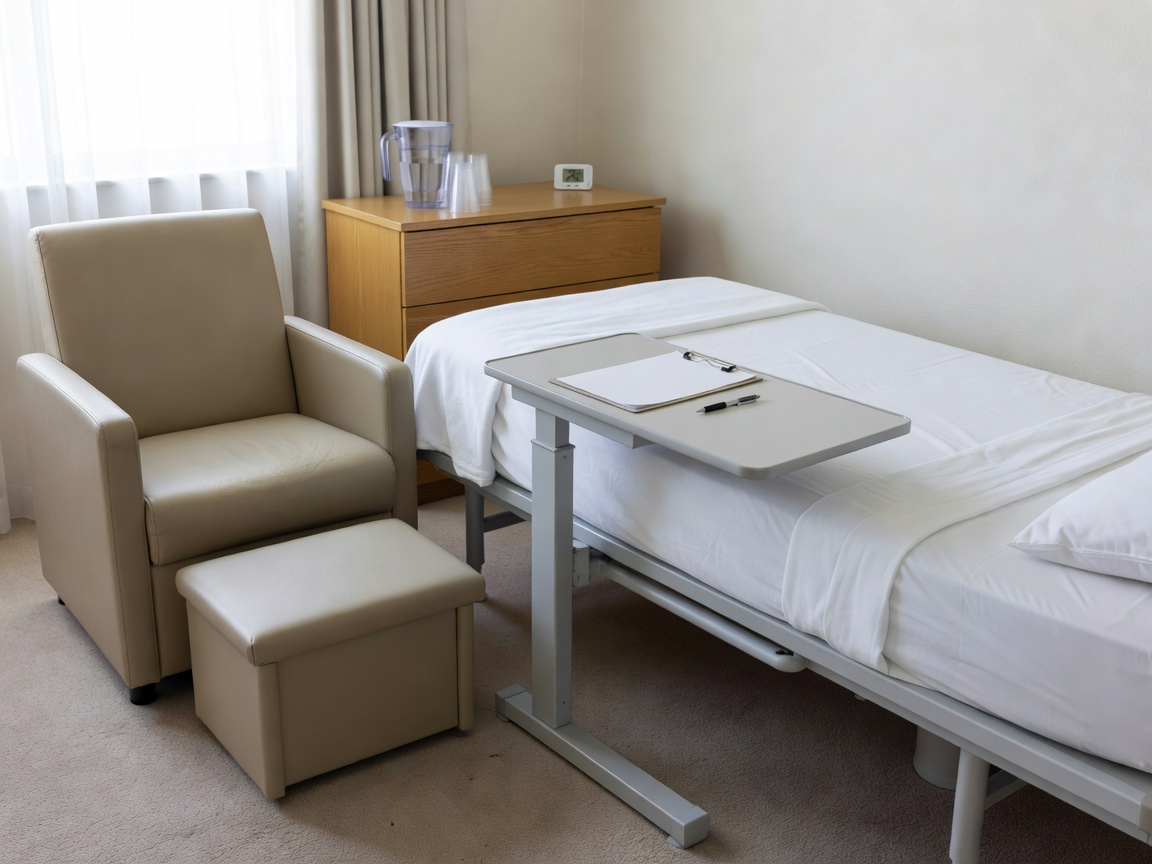
Typical categories include beds, bedside tables, desks, wardrobes, chairs, sofas, tables, shelving, mirrors and selected interior fixtures. Hotel rooms create repeatable groups. Lobbies, restaurants and conference spaces create mixed groups with different dimensions, finishes and handling needs.
Room furniture may be suitable for direct reuse, refurbishment or parts recovery. Lobby seating can require closer inspection because upholstery, frames and fire-performance requirements affect the destination. Restaurant and conference furniture often has useful commercial dimensions but may need careful separation by material and format.
Condition comes first
A practical assessment records structural condition, surface wear, missing components, odour, staining, moisture exposure and signs of damage. It also records whether an item can be safely moved and whether its current construction allows disassembly. A visual record and short notes reduce uncertainty during later sorting.
Dimensions matter. Doorways, lifts, loading bays, storage racks and the receiving location all influence whether an item is practical to recover. Materials matter too. Solid timber, veneer, laminate, metal, glass, foam and textiles have different handling and recovery considerations.
Collection planning
Collection planning should follow the renovation sequence. Identify access restrictions, floor protection, lift bookings, loading windows and the order in which rooms become available. Disassembly can improve handling, but it can also create loose parts, damaged fixings or reassembly work. Components should be labelled and kept together.
Temporary storage needs dry, secure and accessible conditions. Stackable items can be separated from fragile or upholstered pieces. A simple inventory should connect each group to its location, condition and intended route.
Advantages and limits
Furniture recovery can retain useful products and reduce demand for new items where condition, transport and destination align. It is not automatically the right route. Labour, storage, cleaning, repair, fire requirements, missing parts and low demand can make reuse impractical. Some items are better directed to material recovery or controlled disposal.
The working decision is therefore specific: recover this item, in this condition, with these dimensions, for this destination. That discipline keeps renovation schedules clear and avoids promising reuse before suitability is known.